Part 1.1: What Is Myofascial Pain — and Why Does It Matter?
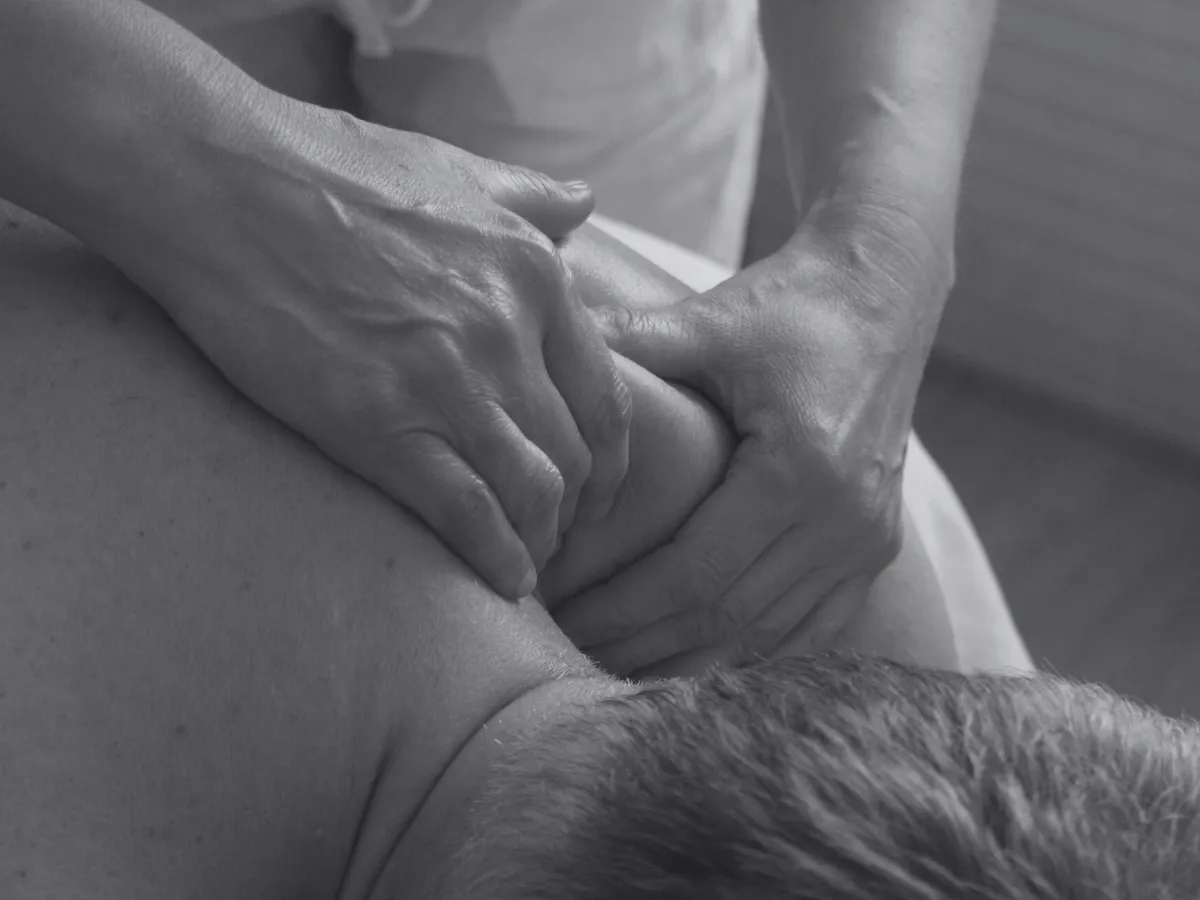
When new clients walk into my office, they often have a hyper-specific issue they want to address. Sometimes they can point to a moment in which they're sure they injured themselves, which is indeed helpful. But quite often, their pain seems inexplicable; stuff just hurts, and they don't know why.
Whether someone knows how they injured themselves or not, that knowledge doesn't explain what's actually happening in their musculature to cause so much discomfort.
The answer often starts with something called myofascial pain.
Breaking Down the Term
Let’s unpack that word for a second.
- Myo- means muscle.
- Fascia is the thin, flexible web of connective tissue that wraps around and within your muscles, binding everything together.
So, myofascial pain is pain that originates in your muscle tissue and the fascia that surrounds it. It’s not a torn ligament or a broken bone — it’s more subtle than that. And because it’s subtle, it’s also frequently overlooked or misdiagnosed.
The Role of Trigger Points
At the center of myofascial pain are trigger points — tiny, hyper-irritable spots inside taut bands of muscle fibers. These knots can be as small as a pea but can create pain that feels huge in scale.
You can often feel them with your fingers: they feel like a tight lump, tender when pressed. Sometimes, they hurt exactly where they live — but more often, they send pain somewhere else entirely. That’s called referred pain, and it’s what makes this type of pain so confusing.
For example, a tiny knot in your neck muscles might be the real source of that “migraine” behind your eye, or a stubborn ache in your low back might be coming from a tense hip muscle you didn’t even know existed.
Acute vs. Chronic — Understanding the Difference
Pain comes in two broad flavors: acute and chronic.
- Acute pain happens right after you strain a muscle or pull something during a workout — it’s sudden, sharp, and usually resolves when the tissue heals.
- Chronic pain, however, is the pain that lingers for weeks, months, or years — long after the original strain should have disappeared.
Myofascial pain can fall into either category, but what makes it unique is that it can persist without any obvious injury because the underlying muscle knots — the trigger points — often don’t resolve on their own.
How Can Something So Small Hurt So Much?
The science is fascinating. When part of a muscle fiber stays stuck in a contracted state, that tight knot reduces local blood flow. Without enough oxygen and nutrients, metabolic waste builds up in the area — irritating nearby nerves.
Your body senses this and, trying to protect you, often tightens surrounding muscles even more — creating a vicious cycle of tension and discomfort.
The Sneaky Nature of Referred Pain
One of the trickiest aspects of myofascial pain is how deceptive it can be.
When a trigger point sends pain somewhere else, you might spend months treating the wrong spot. You ice your shoulder when the real problem is a knot in your neck, or you stretch your back endlessly when the true source is deep in your glutes.
This is why good assessment and hands-on work matter so much — and why understanding these patterns can empower you to look beyond where you hurt.
No, You’re Not Broken
Here’s the good news: myofascial pain isn’t a sign that you’re falling apart.
In fact, it’s a sign that your body is working — it’s just that some of its protective mechanisms have become unhelpful.
With the right treatment — trigger point therapy, gentle stretching, improved posture, stress management — you can break the cycle and give your muscles a chance to reset.
Coming Up Next
In Part 1.2, we’ll go deeper into why your nervous system can keep pain going even after your muscles should have recovered — and how daily stress, posture, and habits make trigger points such persistent houseguests.
Uncover the Root of Your Pain
Book an appointment with our Sacramento specialists for targeted trigger point release.
Real Stories, Real Relief
Proudly Serving Sacramento
We’re located in Midtown Sacramento and serve surrounding areas including: East Sacramento, Arden Arcade, Boulevard Park, Newton Booth, and McKinley Park.
Mon – Sat: 8:00am – 7:00pm | Sunday: CLOSED