Part 1.2: Why Your Nervous System Won’t Let Go — The Science of Persistent Pain
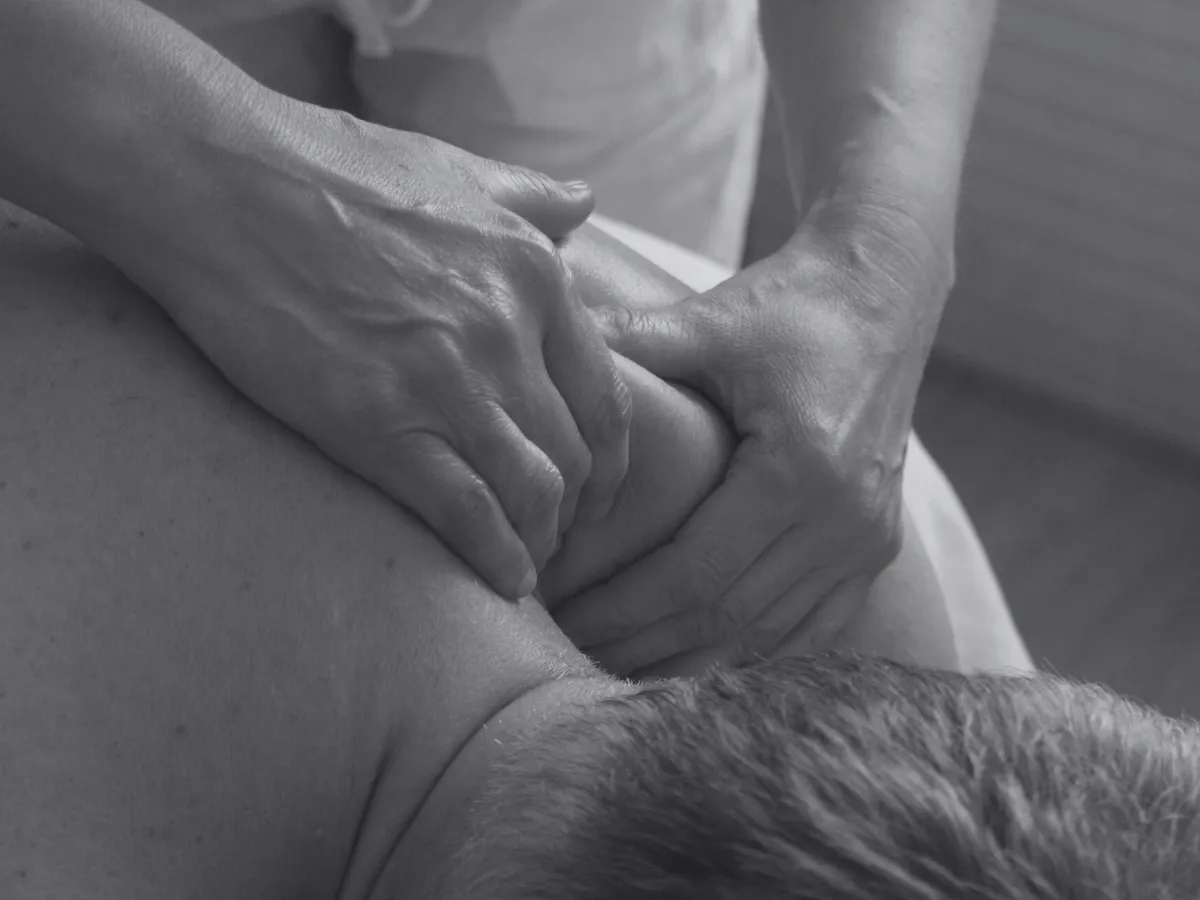
When we talk about myofascial pain, it’s easy to think the problem is just in the muscle tissue; those knots we feel when we press into a sore spot. But the reality is more complex: your nervous system (your brain, spinal cord, and the web of nerves throughout your body), plays a huge role in why pain sticks around, even after the original tissue has healed.
Pain as a Protective Alarm System
To start, it helps to remember that pain is your body’s alarm system. When you injure yourself, your nerves send signals to your brain that say: “Pay attention — something’s wrong.” This is useful when you touch a hot stove or twist your ankle.
But sometimes, that alarm system stays stuck in the “on” position, even when the immediate threat is gone. This is one reason why people can continue to feel pain long after an injury should have healed. In the context of myofascial pain, this “stuck alarm” is part of what keeps trigger points active or keeps them coming back.
Sensitization: Turning Up the Volume
This phenomenon is known as sensitization — a process where your nervous system becomes more sensitive to input over time. There are two key forms of sensitization that matter here:
- Peripheral sensitization happens when the nerves near the site of your injury or trigger point become more reactive. Think of this as the local neighborhood watch going overboard — they see danger everywhere.
- Central sensitization goes deeper. It means your brain and spinal cord — your central nervous system — start to amplify pain signals. It’s as if the volume knob for pain has been cranked up, so even mild inputs feel severe.
This is partly why some people feel muscle pain in areas that look perfectly healthy on an MRI or X-ray — the issue isn’t only structural; it’s how the nervous system processes and interprets signals.
Why Do Trigger Points Keep Coming Back?
If you’ve ever wondered why your shoulder knot or back pain seems to return like clockwork, it’s rarely just bad luck. Several common factors keep these pain cycles alive:
- Stress:Emotional stress causes subtle but persistent muscle tension. Over time, chronically tight muscles develop areas of reduced blood flow and oxygen — perfect conditions for a trigger point to form.
- Posture:Holding the same position for long periods — like hunching over a laptop — fatigues certain muscles while others become weak. These imbalances can feed chronic tight spots.
- Repetitive strain:Even light, repetitive movements can overload a muscle if it doesn’t get adequate rest. The result? Micro-injuries that can turn into chronic myofascial pain if the cycle isn’t broken.
In all of these situations, once the nervous system becomes sensitized, the threshold for pain lowers — and even minor muscle tension can feel intense.
Is It All In My Head?
Absolutely not. It’s tempting to think that if the nervous system is amplifying your pain, then it must be imaginary. But that’s a misunderstanding. Sensitization means that your pain is real — the alarm system has just become too sensitive. You’re not imagining it; your nervous system is simply responding as it’s been trained to do.
A Few Practical Ways to Break the Cycle
So what can you do to calm a sensitized system? Here are some basic principles:
- Restore normal movement: Gentle stretches and posture adjustments reduce unnecessary muscle tension.
- Self-myofascial release: Light pressure using your hands or a massage ball can help deactivate trigger points by improving blood flow and disrupting the tight knot.
- Regulate your stress response: Deep breathing, meditation, or simple activities you enjoy help tone down the alarm system. A relaxed nervous system means muscles are less likely to spasm and form new trigger points.
Up Next
In Part 1.3, we’ll look more closely at the difference between active and latent trigger points — why some knots cause constant pain while others lurk quietly until something sets them off.
Reset Your Nervous System
Book a session with our Midtown Sacramento therapists to release deep-seated tension.
Real Stories, Real Relief
Proudly Serving Sacramento
We’re located in Midtown Sacramento and serve surrounding areas including: East Sacramento, Arden Arcade, Boulevard Park, Newton Booth, and McKinley Park.
Mon – Sat: 8:00am – 7:00pm | Sunday: CLOSED